Sarajevo
Capital of Bosnia and Herzegovina
You must visit Sarajevo to truly experience and feel it. A city with a soul, a city of diversity, blending cultures, traditions, and religions.
Though geographically small at 141.5 km² compared to other European capitals, Sarajevo is the largest city in Bosnia and Herzegovina and a prominent cultural, historical, and architectural center in Southeastern Europe. Isa-beg Ishaković laid the foundations of Sarajevo in the mid-15th century, specifically in 1462. Its development has continued uninterrupted to this day, which is why Isa-beg Ishaković is rightfully considered its founder. However, Sarajevo only became the capital of Bosnia and Herzegovina in 1850. Let’s go over what is important to see during your visit to Sarajevo. Most of the mentioned attractions are free to visit.
A visit to the heart of Sarajevo - Baščaršija
The heart of Sarajevo is Baščaršija, where you can start your adventure. There you will find the most recognizable landmark of Sarajevo, the Sebilj. The word "Sebilj" means a fountain on a square where a caretaker would offer free water to thirsty passersby. There were several sebiljs in Sarajevo during the Ottoman period, but all were destroyed in a fire in 1697. The only remaining one in Baščaršija, in its current form, was built in 1913 and was last restored in 2006. If you are visiting Sarajevo, you must see it.
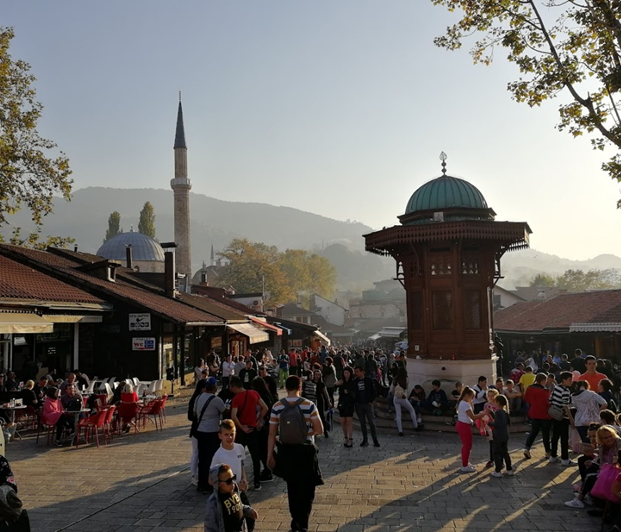
You can find sellers near Sebilj offering pigeon food for 1 KM to feed the birds, which are not afraid of people at all. I also recommend visiting the narrow streets that form the core of Baščaršija, such as Kazandžiluk, Bravadžiluk, Luledžina, Čurčiluk, Telali, Sarači, Harači, Kundurdžiluk, Aščiluk, and others, to experience Sarajevo with all your senses.
Religious diversity
It is called the "European Jerusalem" and "the city of diversity" because of its religious and architectural variety. In one place, you can see over 125 mosques, 8 Roman Catholic churches, 4 Serbian Orthodox churches, and 2 Jewish synagogues.
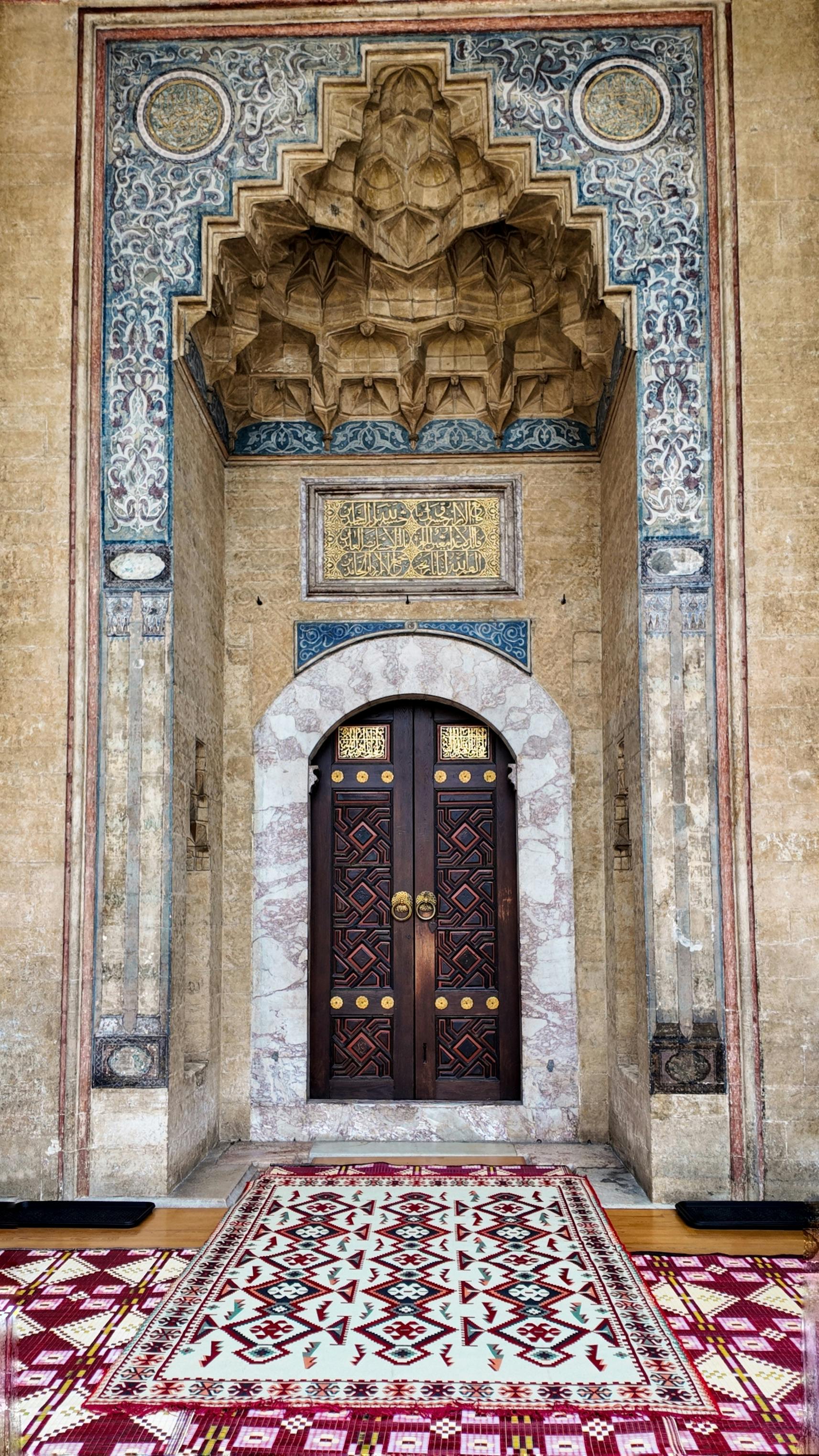
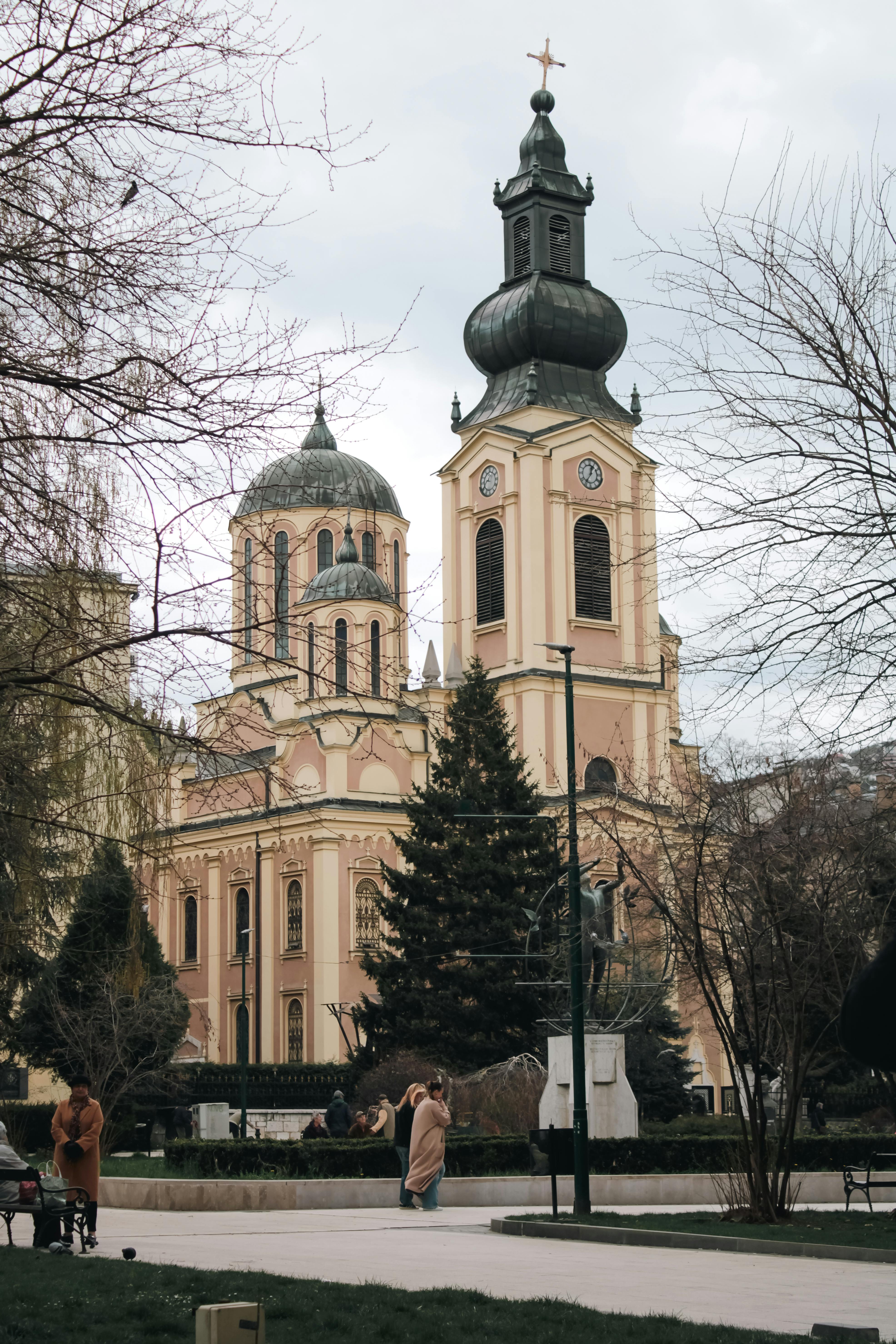
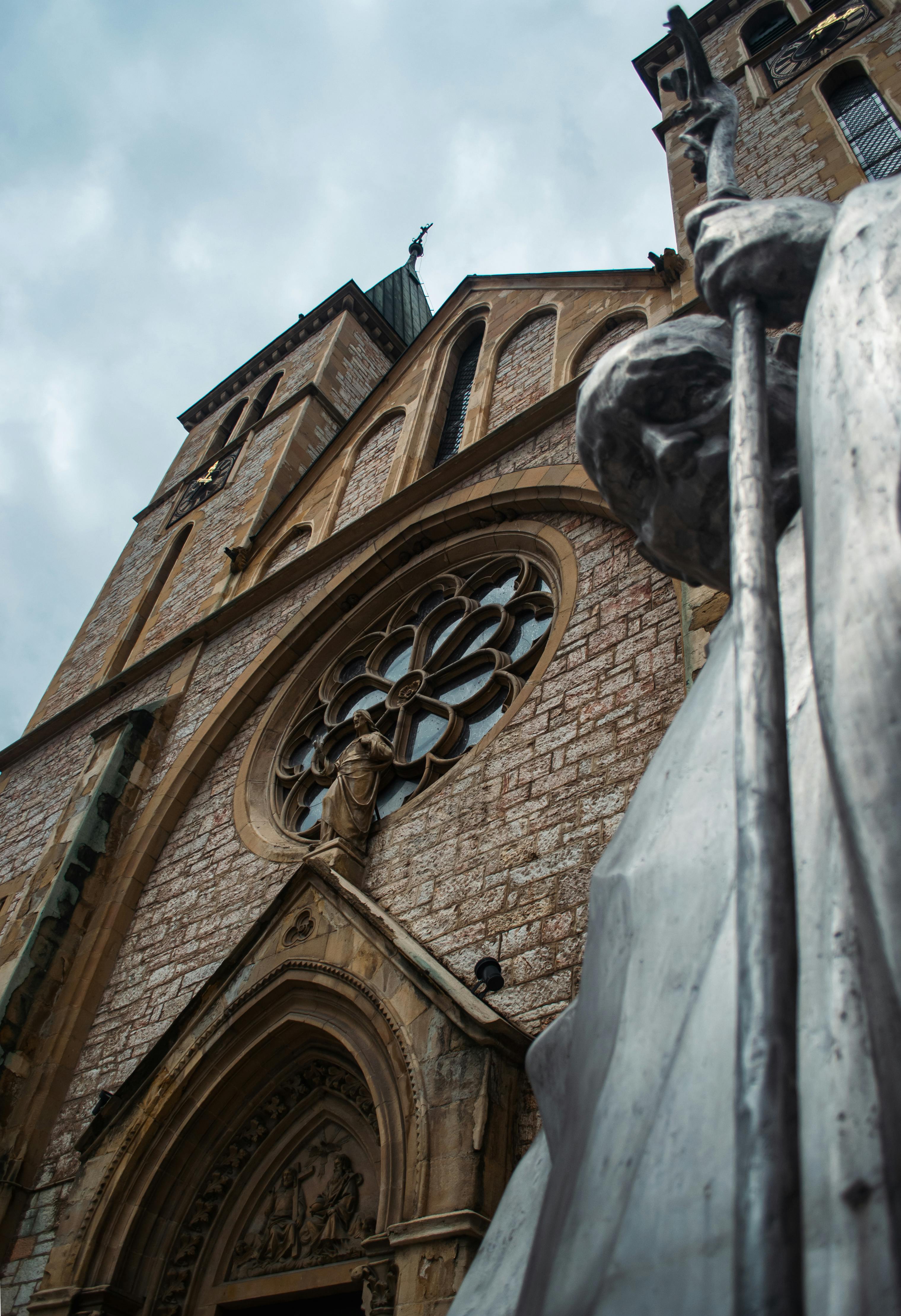
It is recommended to visit the Gazi Husrev-beg Mosque, built in 1531, and the Emperor's Mosque, both located in the heart of Baščaršija. Also worth seeing is the Sacred Heart Cathedral in central Ferhadija Street, and the Franciscan Church of St. Anthony of Padua in Bistrik, which is one of the most artistically rich Franciscan churches in Bosnia and Herzegovina. The Serbian Orthodox Church and the Ashkenazi Synagogue, the third largest synagogue in Europe, built in 1902, are also must-see spots.
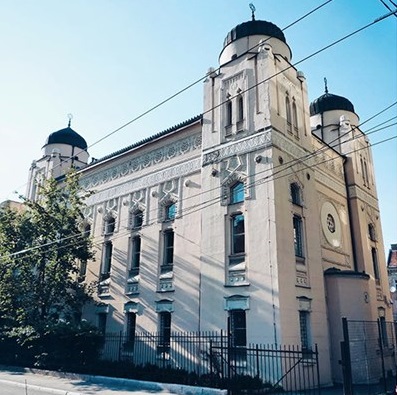
In addition to religious buildings, locals often financed the construction of public fountains, contributing to the well-being of the city. One such fountain can be found on the wall near the Gazi Husrev-beg Mosque, and legend has it that anyone who drinks from it will surely return to Sarajevo... so you should definitely test that legend!
Princip Bridge (Latin Bridge) – the place where World War I began
In 1914, Sarajevo was the site of the assassination of Austro-Hungarian Archduke Franz Ferdinand by a local activist of Young Bosnia, Gavrilo Princip, an act that triggered World War I. A visit to Sarajevo is incomplete without seeing the bridge near the site of the assassination, known as Princip Bridge or Latin Bridge. A 10-minute walk from Baščaršija will take you to this historical location. You can also visit the Sarajevo Museum 1878–1918 nearby, which houses Franz Ferdinand’s uniform and many other historical exhibits.
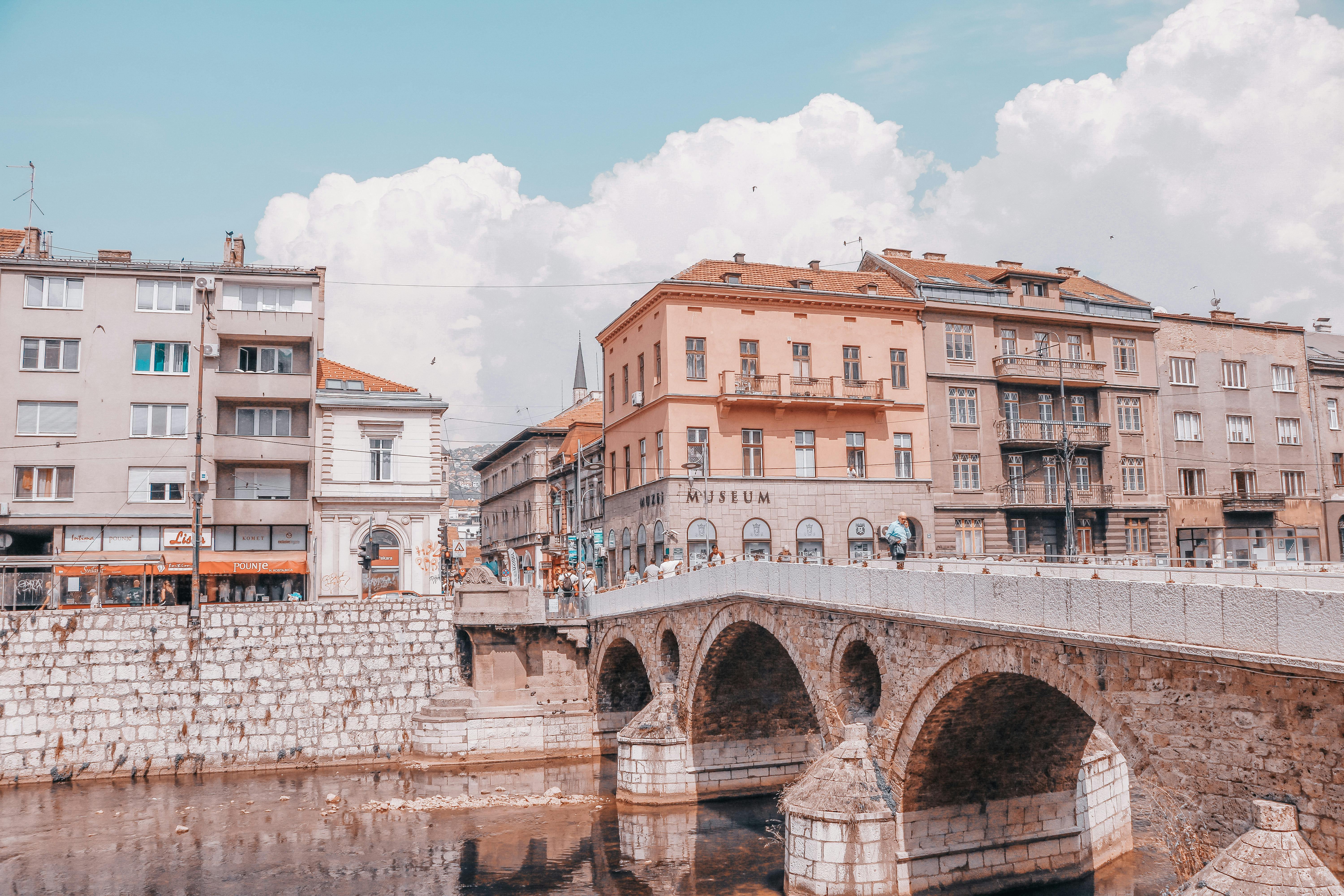
We also recommend taking a walk along the bridges that cross the Miljacka River, such as the Goat Bridge, Šeher-ćehajina, Festina Lente, and Drvenija.
The beauty of the City Hall
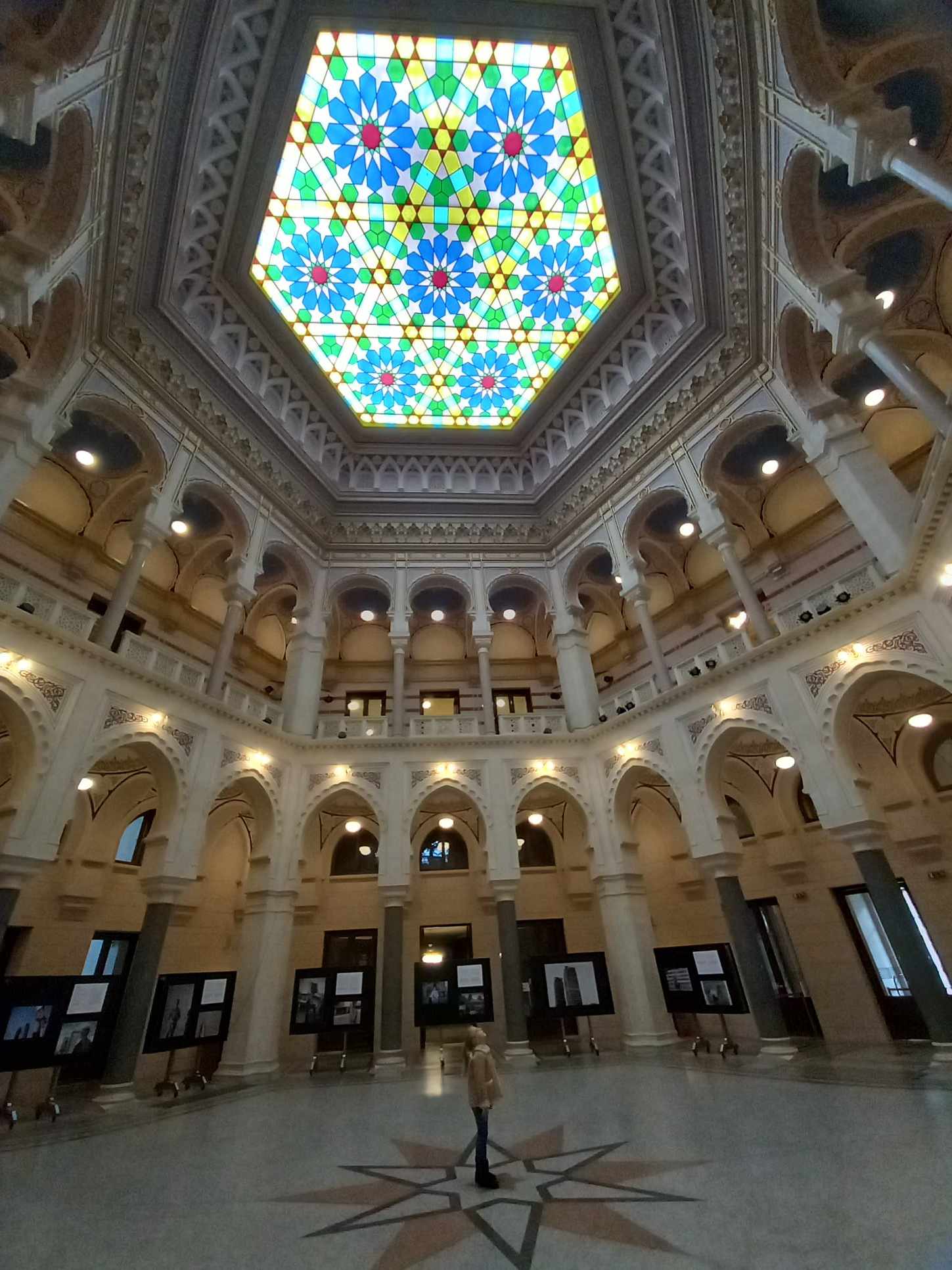
Sarajevo’s City Hall, built in a pseudo-Moorish style, is a source of pride for most Sarajevans. It was officially opened on April 20, 1896, and used for administrative purposes. After World War II, it was turned into a library but was heavily damaged during the Bosnian War in 1992. Restoration took 18 years, and it was reopened in 2014. Today, it serves as a venue for cultural and artistic events, and it’s located just a 5-minute walk from Sebilj.
The story of the Inat House
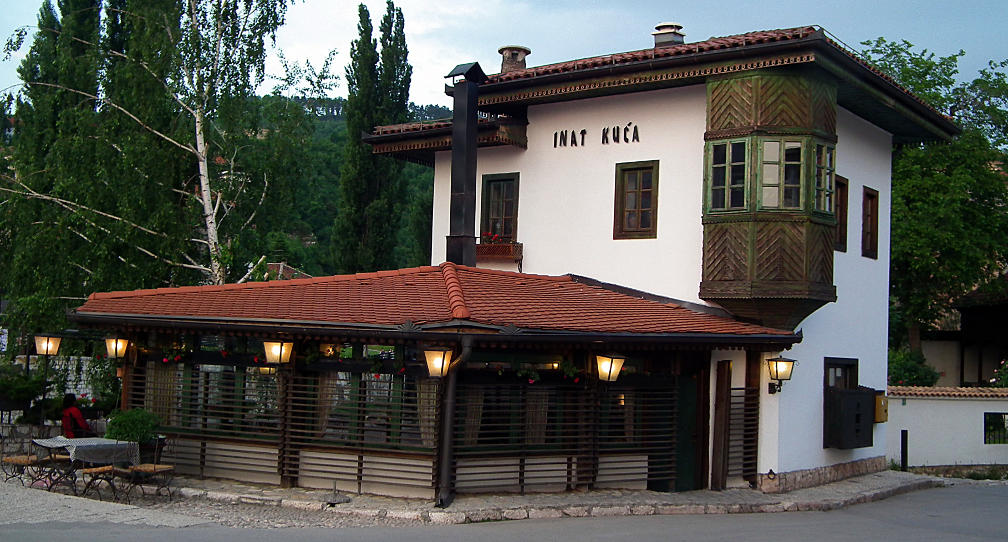
Across from the City Hall is the Inat House, a symbol of Bosnian stubbornness and defiance. The story goes that during the construction of the City Hall and tramway system, a house needed to be demolished, but the owner refused to sell it. After long negotiations, the authorities agreed to move the house brick by brick to the other side of the Miljacka River. Today, it’s a restaurant where you can enjoy traditional Bosnian dishes.
Trebević Cable Car
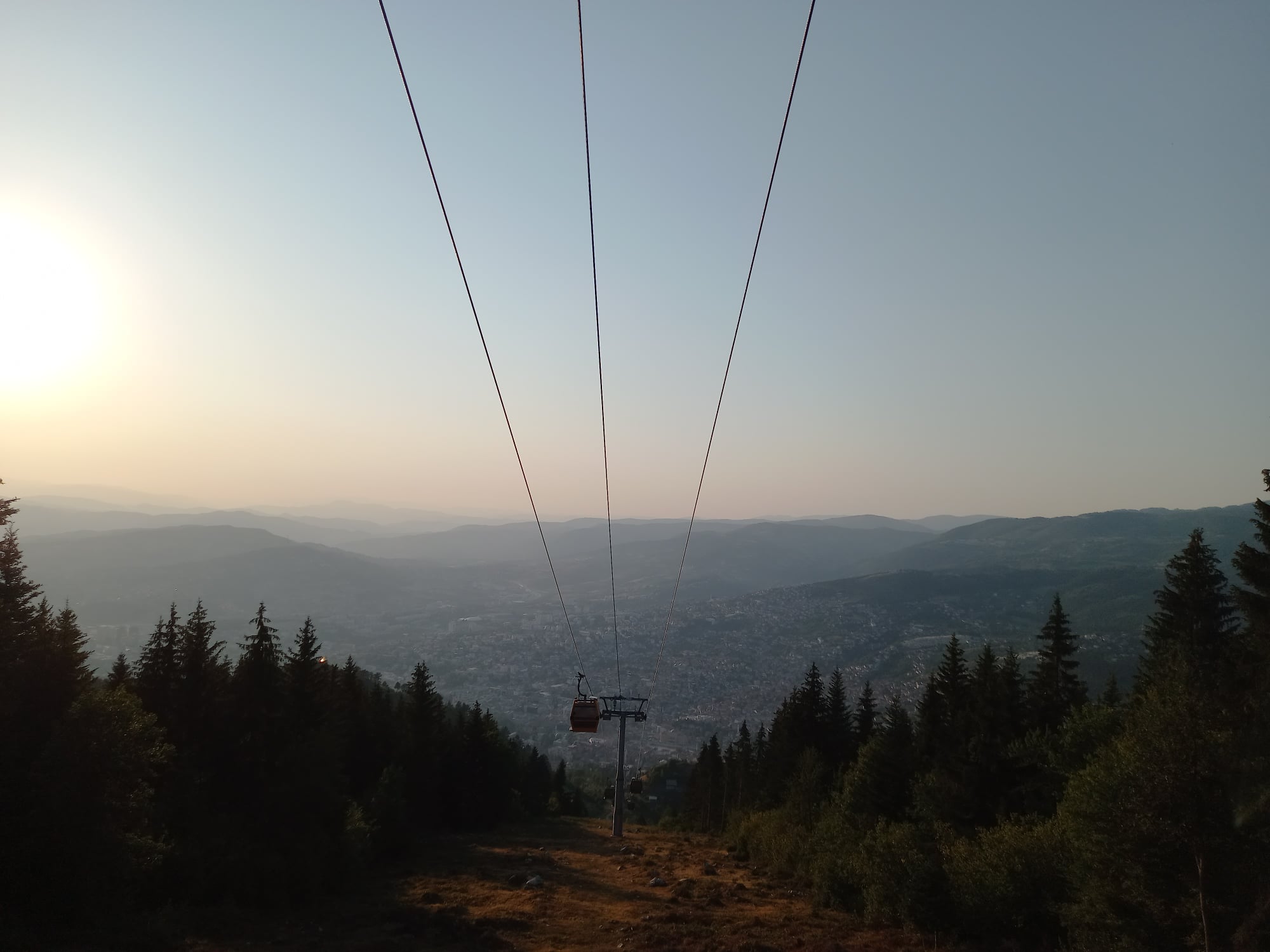
Just a short walk from the Inat House is the Trebević Cable Car, originally opened in 1959. Unfortunately, it was destroyed during the war but was rebuilt and reopened in 2018. It takes just 7 minutes to reach the top of Trebević Mountain, offering spectacular views of the city. The price for locals is 6 KM, and for tourists, 20 KM.
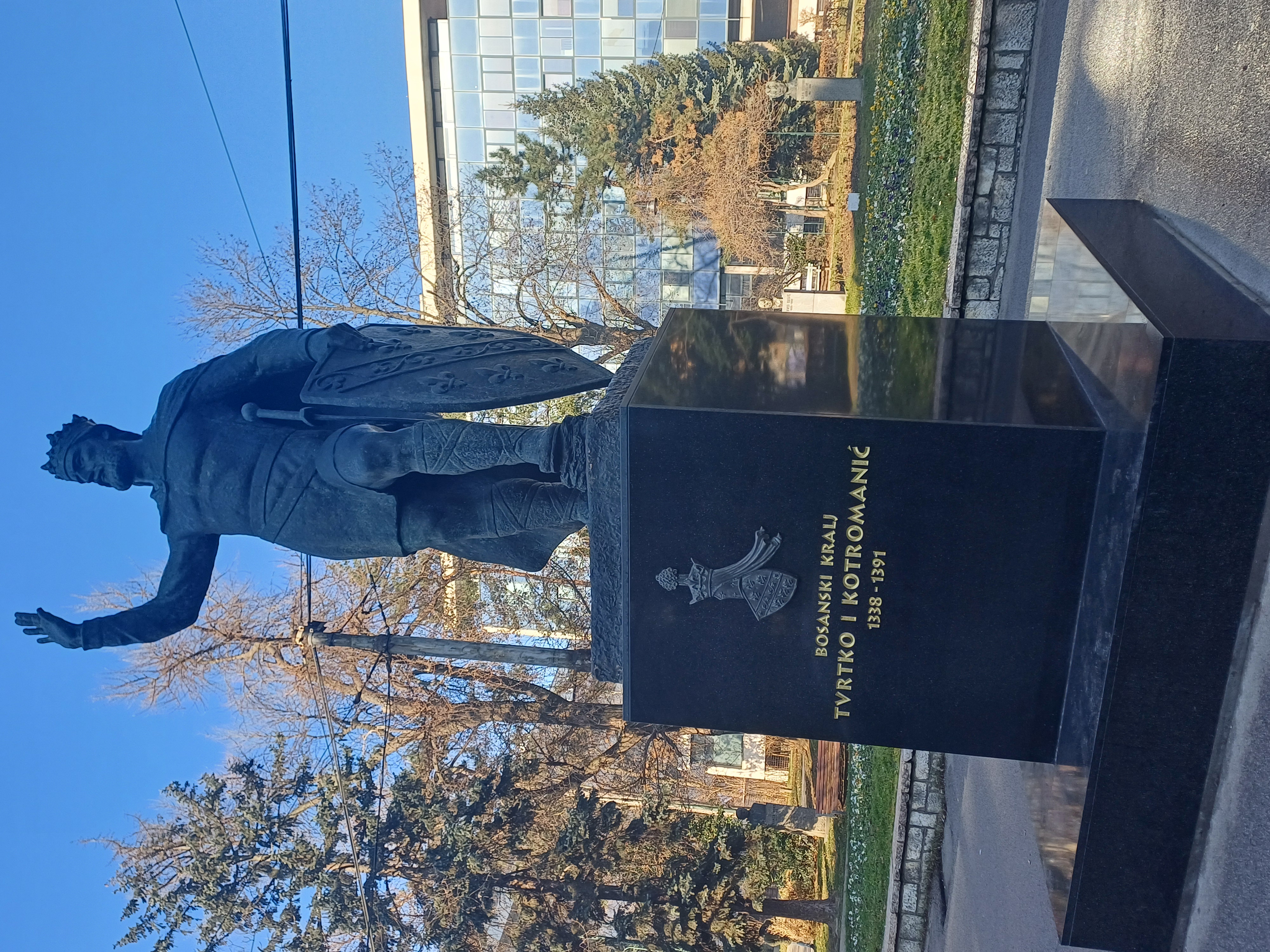
Monument of King Tvrtko I Kotromanić
On Maršal Tito Street, you'll find the building of the Presidency of Bosnia and Herzegovina, across from which stands the magnificent monument of King Tvrtko I Kotromanić. He is considered one of the greatest medieval rulers of Bosnia, and the monument is a testament to Bosnia and Herzegovina's rich history before the Ottoman Empire.
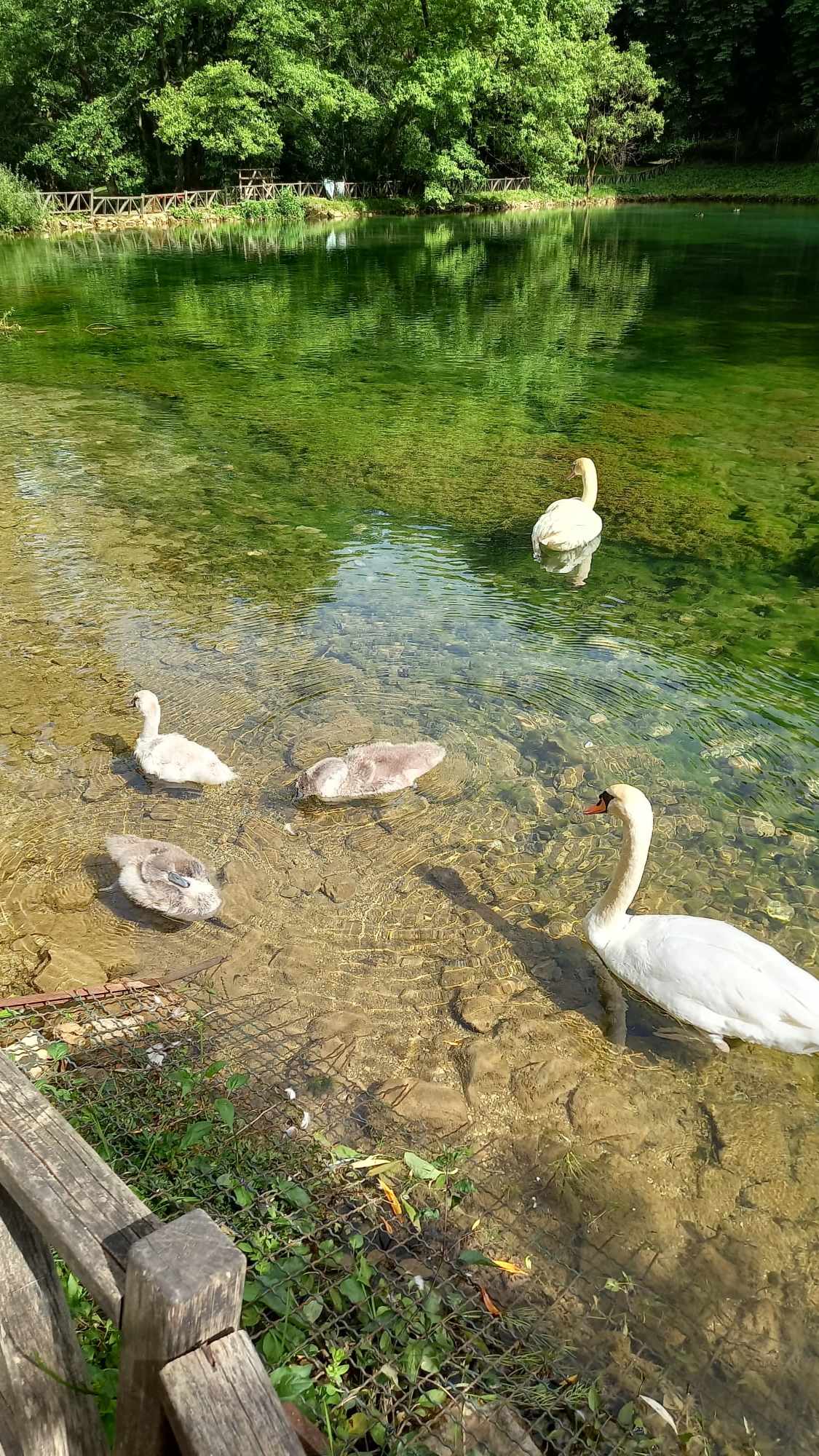
Vrelo Bosne: An Oasis of Greenery and Peace
Vrelo Bosne is a well-known excursion spot for the people of Sarajevo. This natural park is located in Ilidža, one of the most beautiful areas of Sarajevo. Here, in the heart of the forest and nature, lies the spring of the Bosna River at the base of Mount Igman. As you approach the park, you'll walk through a beautiful 4 km-long avenue. You can reach the park by taking a light walk (about 1 hour), riding a bicycle, or by hiring one of the lovely horse carriages, which are readily available at the start of the avenue. The cost of a carriage ride is around 20 KM. At Vrelo Bosne, you'll find a restaurant, cafes, and a playground, making it an ideal place for relaxation. The park also features beautiful bridges across the river, and there are plenty of swans and ducks that enhance the experience. Entrance to the park costs 3 KM.
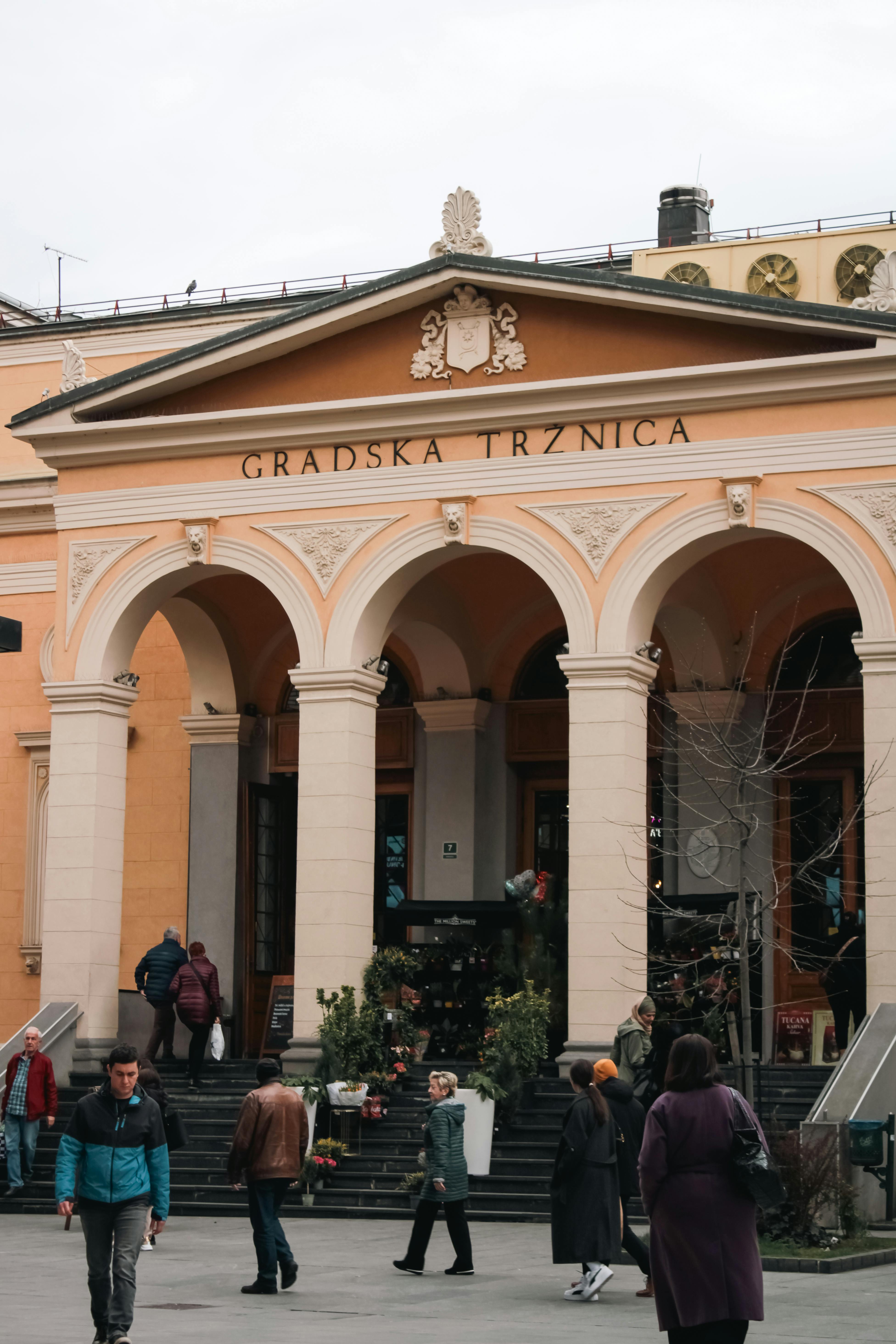
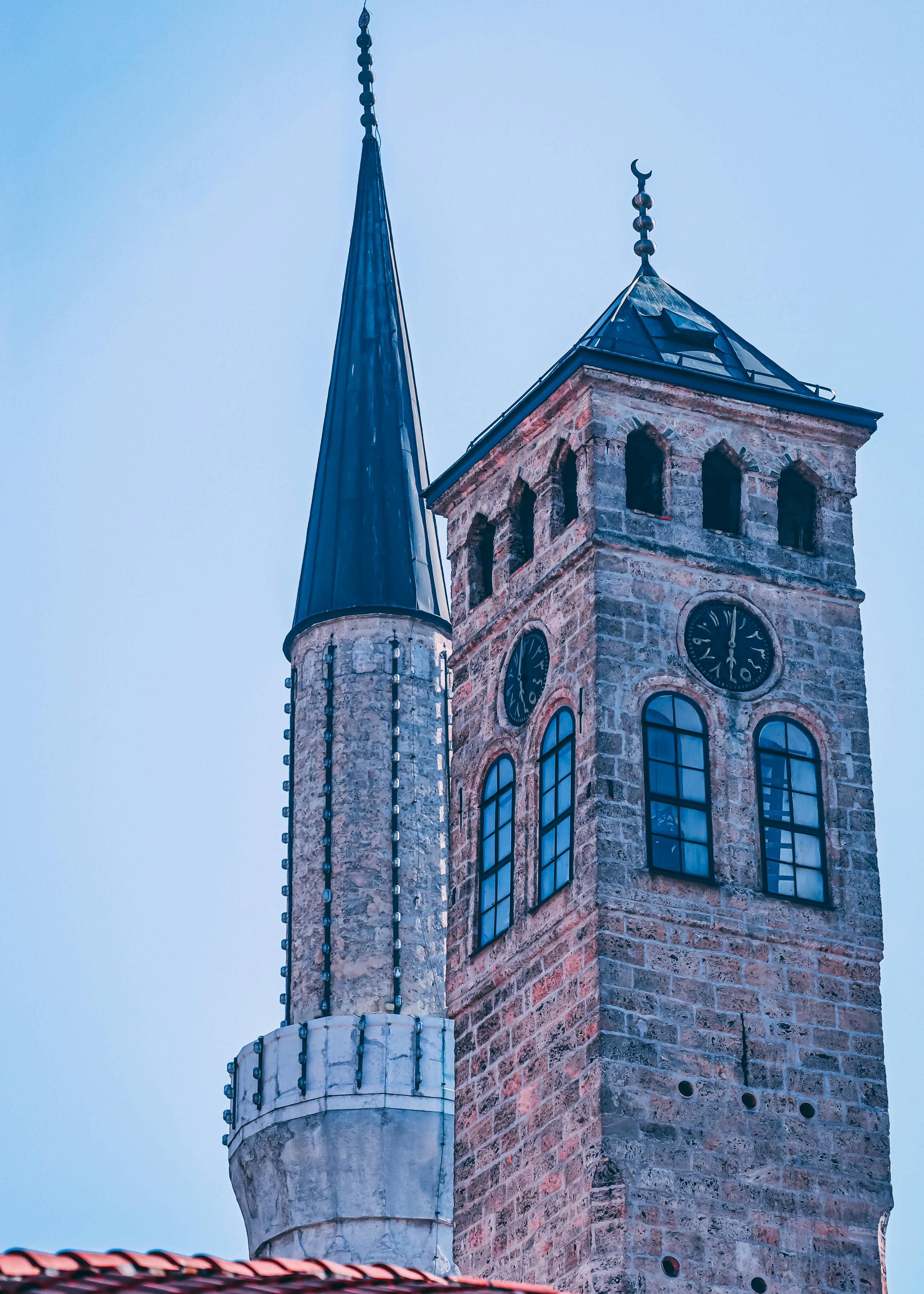
We could continue like this for a while, but honestly, it would be too much for one blog post. So instead, I'll just suggest a few more places worth visiting in Sarajevo: City Market, Art House of Sevdah, Clock Tower, White and Yellow Bastion, National Museum, Museum of Optical Illusions, Eternal Flame, Zetra Olympic Hall, Olympic Museum, Bobsled Track on Trebević, National Theatre, Tunnel of Hope, Pionirska Dolina Zoo, Džirlo Tea House, Ministry of Ćejf Café (when walking from Baščaršija towards Kovači), Four Rooms of Mrs. Safija, and the Olympic beauties of Trebević, Igman, and Bjelašnica... and much, much more.
Sarajevo Gastronomy
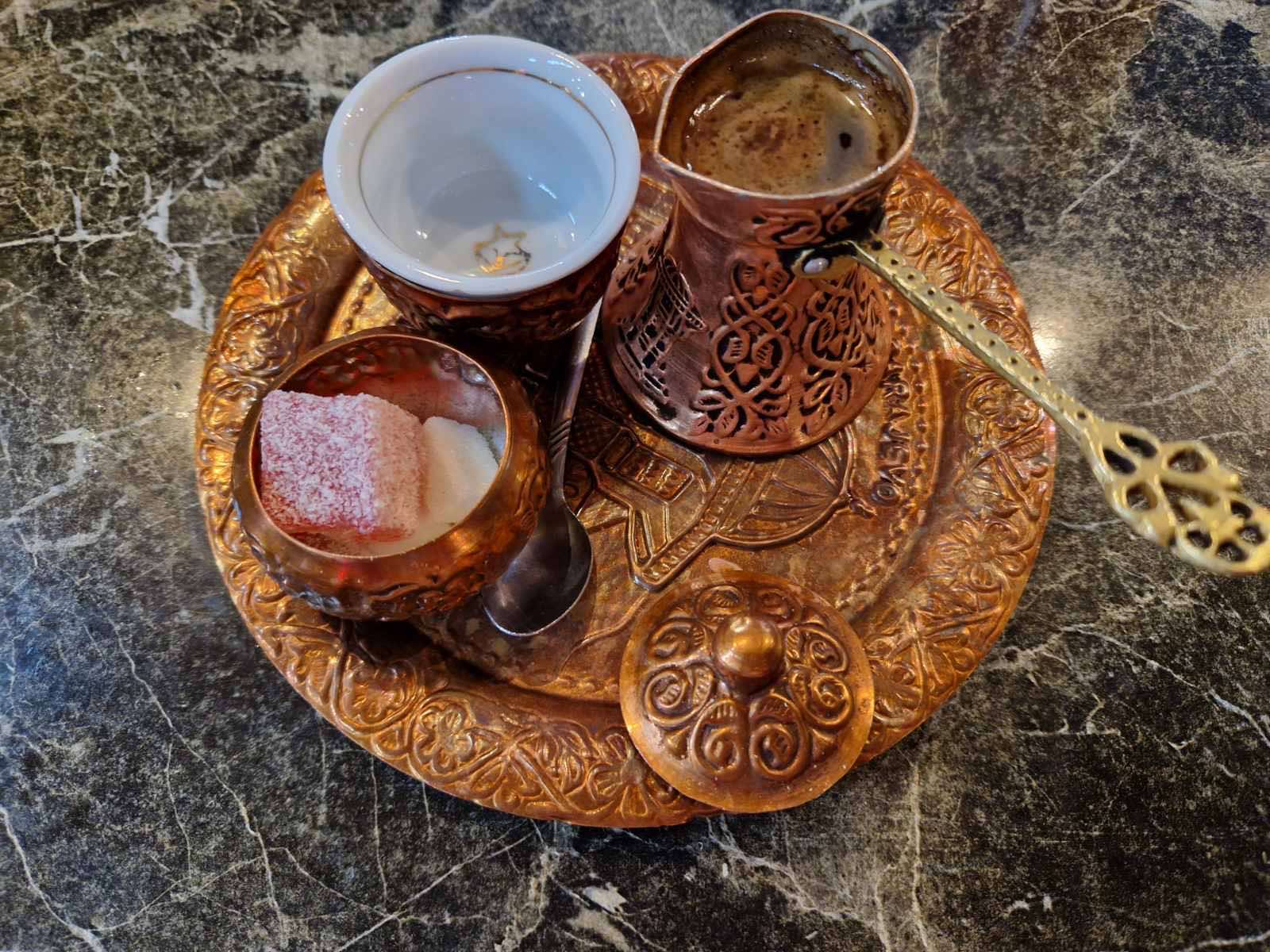
When it comes to gastronomy, Sarajevo is known for its excellent traditional food and even better Bosnian coffee.
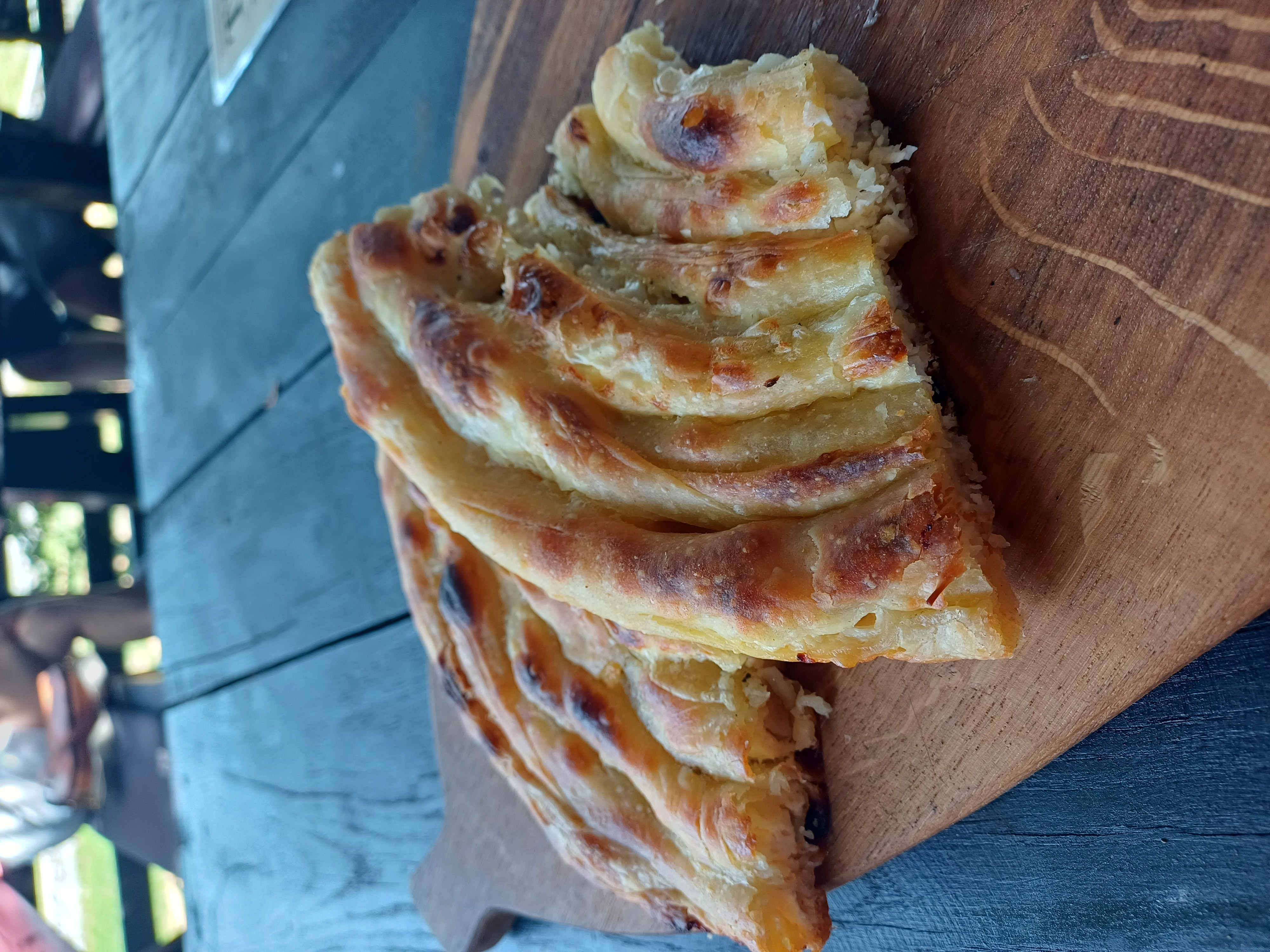
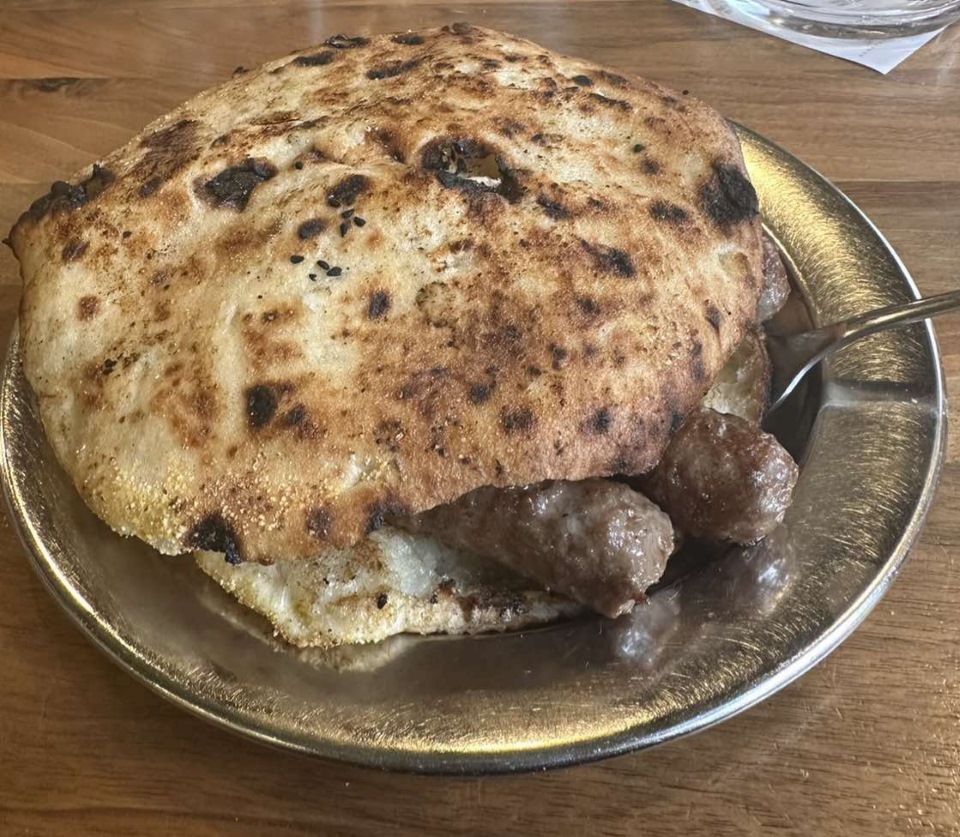
What most people associate with Sarajevo are ćevapi and pita, and there are many places to try them. However, the best pita can be found at Sač, Bosnia, and Oklagija on Baščaršija, while the best ćevapi are at Ferhatović or Željo.
I'd like to note that you can visit most important landmarks in a single day, but to really get to know the city, it would take at least 3 to 5 days. For easier planning and a better experience, we recommend using the services of Rentura.ba.
Nearby destinations
- The Olympic Beauty: Bjelašnica - A mountain paradise for winter sports enthusiasts
- Jahorina - A popular winter sports destination, known for its ski slopes and beautiful mountain scenery.
Places in this guide
- Baščaršija
- Sebilj
- Gazi Husrev-begova džamija
- Careva džamija
- Katedrala Srca Isusova
- Saborna crkva
- Aškenaška sinagoga
- Latinska ćuprija
- Gradska vijećnica
- Spomenik kralju Tvrtku I Kotromaniću
- Muzej Sarajeva 1878–1918
- Zemaljski muzej
- Tunel spasa
- Vrelo Bosne
- Trebevićka žičara
- Inat kuća - Traditional Bosnian dishes
- Sač - Pita, Baščaršija
- Bosna - Pita, Baščaršija
- Oklagija - Pita, Baščaršija
- Ferhatović - Ćevapi
- Željo - Ćevapi
- Čajdžinica Džirlo
- Ministry of Ćejf - Up Kovači street from Baščaršija